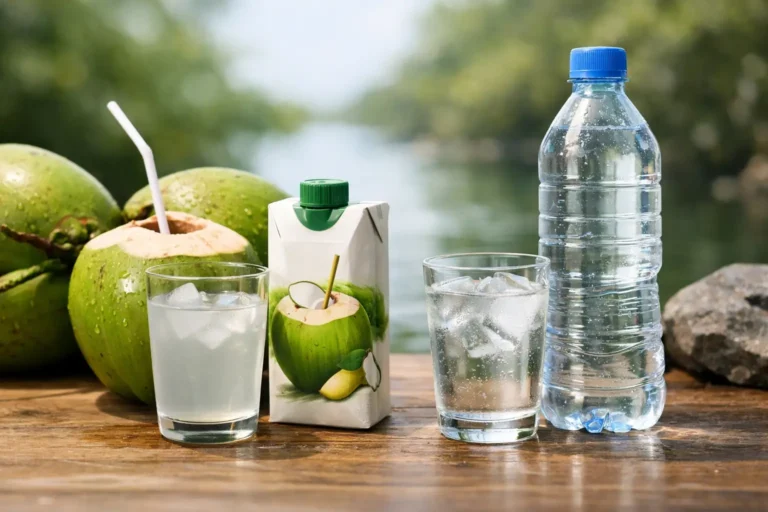


Coconut water without sugar: pure or marketing?
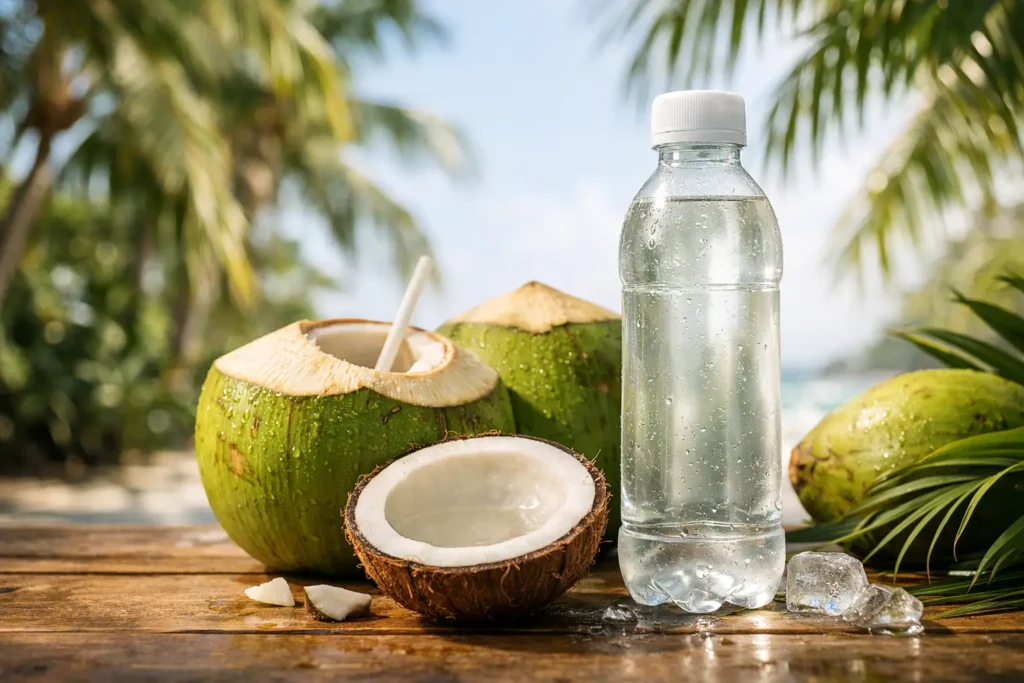
You're standing in the supermarket or scrolling through a webshop, you see a pack of coconut water and think: nice, healthy. But then the real question comes up – is this really coconut water without sugar, or just cleverly packaged? That's exactly where the difference lies between a fresh, pure thirst quencher and a drink that looks healthier than it is.
For many people, coconut water without sugar is appealing because it fits a more conscious lifestyle. Less added clutter, more natural hydration, and a taste that feels lighter than juice or soda. Especially if you exercise, travel a lot, or simply want something other than flavored water, it makes sense to look at this critically.
What does coconut water without sugar really mean?
The term sounds simple, but in practice it can mean several things. Most people mean that no sugars have been added. That's different from sugar-free. Pure coconut water naturally already contains sugars, because it comes straight from young green coconuts. Those natural sugars give it the soft, lightly sweet taste coconut water is known for.
If a package says it's unsweetened or has no added sugars, that's usually a good sign. Still, it's worth looking beyond the front of the pack. The ingredient list should ideally be short: just coconut water, and nothing else. Sometimes you'll see vitamin C as an antioxidant, but the shorter the list, the closer you are to the pure product.
That's exactly where the nuance lies. Not every product sold as natural is automatically equally pure. Some variants are diluted, flavored, or combined with fruit juice concentrate. You're still drinking something based on coconut water, but no longer in its purest form.
Why people choose coconut water without sugar
The appeal is simple. You want to hydrate without immediately landing in a bottle of sugar water. Coconut water without sugar then feels like a logical middle ground between water and sports drink. It's fresh, naturally contains electrolytes like potassium, and fits easily into an active day.
For athletes, that's appealing after a workout or intense exertion. Not because coconut water is a miracle cure, but because it can be an accessible way to replenish fluids. For busy professionals it works differently. They often look for a refreshing alternative to soda during work or on the go. And for families, it mainly comes down to this: if you want something at home that feels more natural than lemonade, you quickly land here.
The biggest win is often not in one nutritional value, but in what you replace with it. If coconut water without sugar takes the place of soda, energy drinks or sweetened iced tea in your routine, you're usually making a cleaner choice.
Coconut water without sugar versus other drinks
Compared to soda, the difference is clear. Soda usually contains added sugars, flavorings and often acids or caffeine. Coconut water is then a much more natural option. The taste is subtler, less loud, but that's exactly what many people appreciate once they switch.
Compared to sports drinks it's a bit more nuanced. Sports drinks are often designed for heavy, prolonged exertion, with a specific mix of sugars and salts. Coconut water without sugar is more natural and less processed, but not always a perfect one-to-one replacement for every athlete. For light to moderate training it can fit well. For long endurance sport or elite sport, it depends on your need for extra carbohydrates and sodium.
Compared to plain water, coconut water mainly has one advantage: experience. Water remains the foundation, but sometimes you want a bit more flavor or variety. Then pure coconut water can help you drink enough more easily, without immediately reaching for something heavy or sweet.
What to watch for when buying
Anyone genuinely looking for coconut water without sugar should look closely at the label. The front of a package usually sells a feeling. The back tells the real story.
First, check the ingredients. If you only see coconut water listed, you're usually fine. If you see added sugar, syrup, concentrate or flavorings, you know it's less pure. Then look at the nutritional values per 100 ml. Natural coconut water naturally contains some sugars, but those should come from the coconut, not from additives.
Origin matters too. Coconut water from young coconuts in tropical regions often has a cleaner, fresher taste than products developed mainly for shelf life or price. Processing makes a difference as well. The fewer unnecessary steps between the palm tree and your glass, the better the chance of a pure taste.
That's exactly why premium variants often score better on taste and simplicity. Not because more expensive automatically means healthier, but because quality becomes noticeable quickly with coconut water. A pure variant tastes light, fresh and natural. A lesser variant can taste flat, sour or artificially sweet.
Is coconut water without sugar always healthy?
The honest answer: usually a good choice, but not automatically the best one for everyone or every moment. That depends on your goal.
If you want a natural alternative to sugary drinks, you're usually in good shape. If you're looking for something refreshing with naturally occurring electrolytes, that makes sense too. But if you expect a drink with zero calories or zero sugar, you'll be disappointed. Pure coconut water simply contains natural sugars. There's nothing wrong with that, but it's good to stay realistic.
For people who watch their carbohydrate intake very strictly, that can be a point of attention. Also, if you mainly need water and have no need for flavor or extra nutrients, plain water remains the most direct choice. Coconut water doesn't have to replace water. It can simply exist alongside it.
That balance is exactly what makes it strong. No hype, no health miracle, just a pure product that fits surprisingly well into many everyday moments.
When does it fit best into your day?
In the morning, coconut water without sugar can be a pleasant, light, fresh start, especially if you don't feel like coffee on an empty stomach or something heavy with breakfast. After exercise it's a popular choice because it drinks easily and doesn't feel as sticky as many sports drinks.
On the go, it's especially handy because it's ready to drink immediately. No powders, no mixing, no hassle. At the office it works well as an alternative to the standard afternoon soda. And at home it's simply a nice cold drink from the fridge on warm days or after a busy day.
Anyone consciously building a routine often notices how much convenience matters. A pure product in a handy format becomes a regular choice faster than something you first have to prepare. That's also why many people choose small bottles for on the go and larger packs for home or family use.
The taste of purity
There's something else that's often underestimated: taste. Many people expect something healthy to taste bland or flat. Good coconut water without sugar proves the opposite. The taste is lightly sweet, fresh and tropical, without becoming heavy. No syrupy feel, no artificial aftertaste, but a natural clarity that's appealing if you want to drink less sweet.
There is a difference between brands though. Not every coconut water tastes the same. Harvest time, type of coconut, origin and processing all play a role. Once you drink a truly pure variant, you often immediately taste the difference compared to a mass product that wins more on packaging than on contents.
For anyone who consciously chooses quality, that's no small detail – it's exactly the reason to be critical. Pure & unsweetened only really has value if it tastes that way too.
A smart choice, as long as you know what you're buying
Coconut water without sugar is especially strong when you see it for what it is: a natural, fresh drink with naturally occurring sugars, without unnecessary additives. No magic solution, but a very appealing alternative for anyone who wants to drink cleaner without giving up on taste.
If you learn to read labels and choose a variant that's truly pure, you get the most out of this product. Then you get refreshment from nature, in a form that fits sport, work, travel and home. Brands that pay close attention to that, like Freshcoco with pure Cocoxim coconut water, fit exactly that need for simplicity, quality and daily hydration.
The best choice is ultimately often the simplest one: pick a drink where you understand what's in it, that tastes good, and that you're happy to reach for again and again.