

Why coconut water is popular among athletes
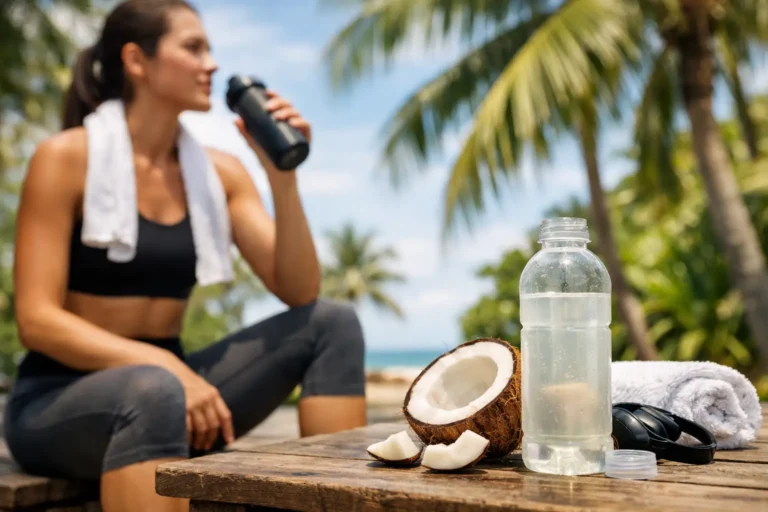
Walk into any gym bag, sports bag, or post-workout cooler and you'll likely spot it: a bottle of coconut water. It has become a familiar sight among athletes, from weekend joggers to serious gym-goers. But what's actually behind that popularity, and is it deserved?
A natural source of electrolytes
The main reason coconut water is popular among athletes is its natural electrolyte content, particularly potassium. When you sweat, you lose fluids and minerals, and replenishing both is part of good recovery. Coconut water offers a way to do that without reaching for an artificially flavored sports drink full of added sugar and coloring.
That natural angle appeals to athletes who want to fuel and recover with whole, simple ingredients rather than processed alternatives. It fits a broader shift toward cleaner nutrition that many active people are making.
Easy to drink, even after hard effort
After intense exercise, many people don't feel like drinking something heavy or overly sweet. Coconut water is light and goes down easily, even when you're not particularly thirsty for anything substantial. That drinkability is a real practical advantage, especially right after a tough session when your stomach might not want much else.
A natural alternative to sports drinks
Traditional sports drinks are engineered for a specific job: rapid replenishment of sugars and sodium during prolonged, intense exertion. Coconut water is more natural and less processed, but it isn't an exact substitute in every situation. For shorter or moderate workouts, gym sessions, or recreational sport, it often works well. For very long endurance events, an athlete's needs for sodium and carbohydrates may be higher than what coconut water alone provides.
That nuance matters. Coconut water's popularity among athletes doesn't mean it replaces sports science for elite performance; it means it fits well into the recovery routines of a large group of everyday athletes.
The taste factor
Beyond function, taste plays a real role. Coconut water has a light, slightly sweet, tropical flavor that many people find more enjoyable than plain water after a workout, without being as heavy as juice or soda. That makes it easier to actually drink enough, which is part of staying properly hydrated.
Convenience matters too
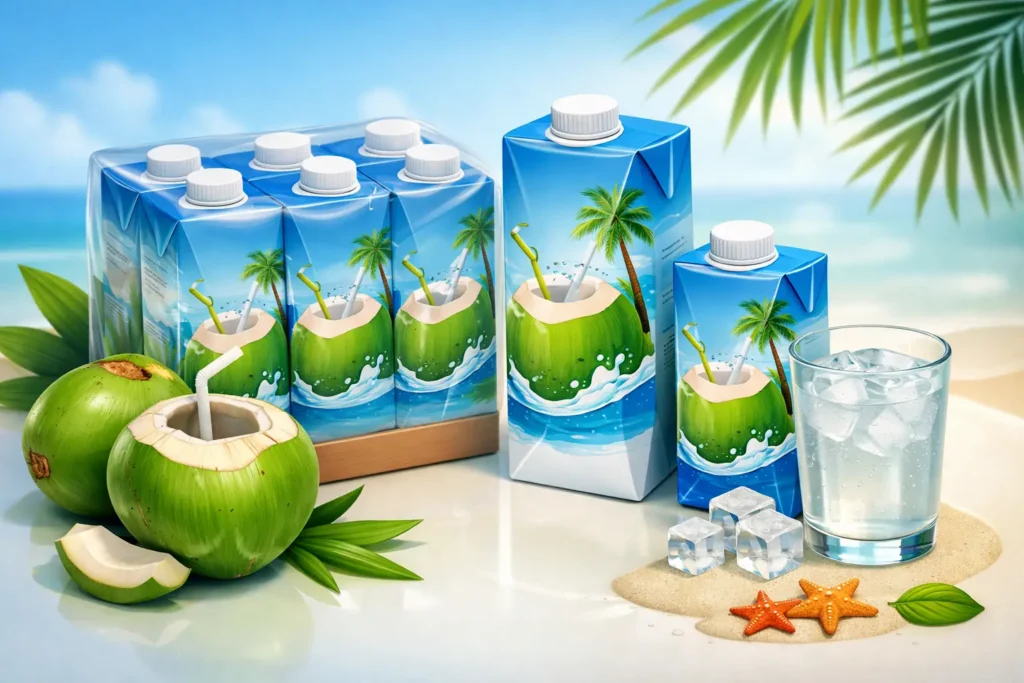
Ready-to-drink, no mixing, no powders. You grab a bottle from your bag or the fridge and you're done. For athletes already juggling training schedules, gear, and recovery routines, that simplicity is a real plus. It removes one more thing to think about.
Who benefits most from it?
Recreational and amateur athletes are likely to benefit the most from coconut water as part of their routine: people doing regular workouts, runs, team sports, or gym sessions. For this group, coconut water offers a natural, pleasant way to support hydration and recovery without overcomplicating things.
For elite or endurance athletes with very high sweat and energy losses, coconut water can still play a role, but might need to be combined with other sources of sodium or carbohydrates depending on the demands of their sport.
What to look for if you're an athlete
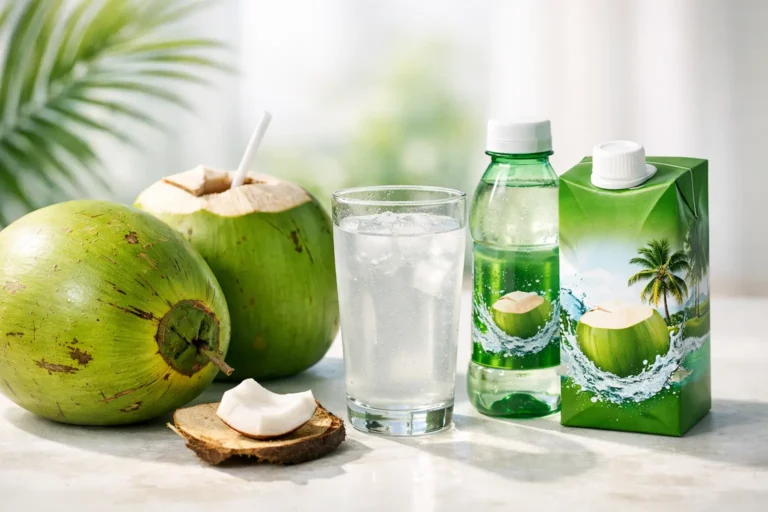
Not all coconut water is equal. For the clearest benefit, look for a pure, unsweetened variant with a short ingredient list, ideally just coconut water. That way, you know you're getting the natural electrolytes without unnecessary added sugar diluting the benefit.
A natural fit for an active lifestyle
The popularity of coconut water among athletes isn't just a trend; it's grounded in real, practical benefits: natural electrolytes, easy drinkability, and a refreshing taste that fits well after exercise. It's not a universal replacement for every sports nutrition need, but for a large group of active people, it's a smart, natural addition to their routine.