

Coconut water after exercise: smart or hype?
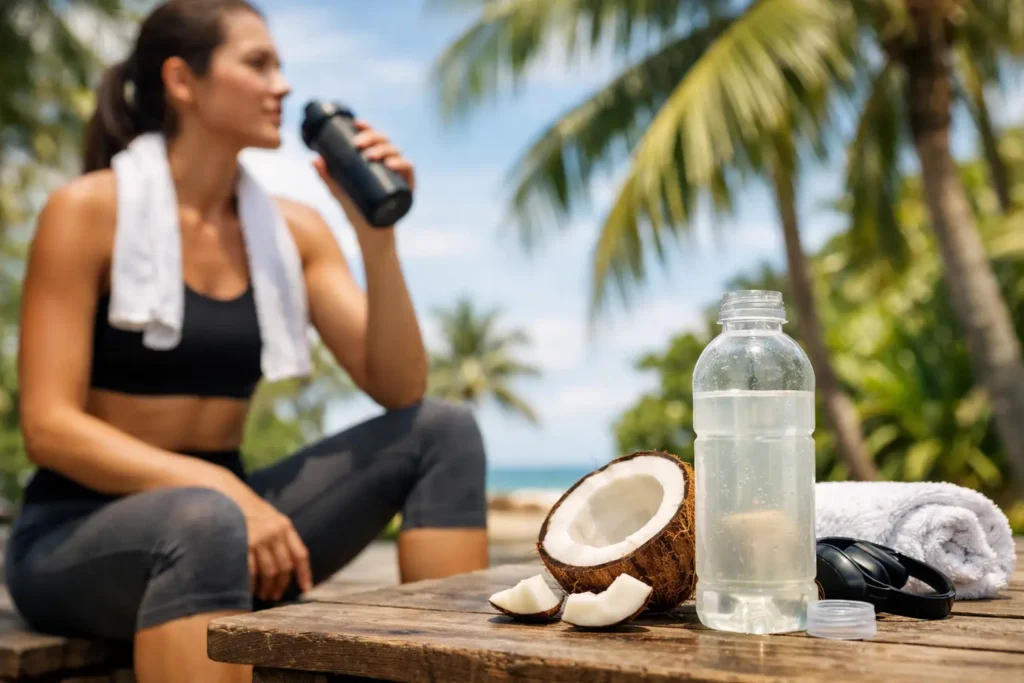
Your workout is done, your shirt is sticking to you, and there's really one thing you need: replenishing fluids fast. That's exactly why coconut water after exercise is so appealing to many people. It's light, refreshing and naturally rich in electrolytes, without the excess sugar and artificial additives you see in a lot of sports drinks.
The question is whether it really works as well as is often claimed. The short answer is yes, but not always the same way for everyone. How intensely you train, how much you sweat, and what else you eat and drink all make a difference. If you want pure hydration, coconut water is often a great fit. If you've just finished a heavy endurance session or long race, you need to look a bit more closely.
Why coconut water after exercise is so popular
The appeal is simple. After exertion you want your fluids back, but also the minerals you lose through sweat. Coconut water naturally contains electrolytes like potassium, which makes it appealing as a natural thirst quencher after a workout.
There's something else too: it goes down easily. No syrupy mouthfeel, no overly sweet aftertaste, but a fresh, pure taste that many athletes find more pleasant right after training. Especially if you've just left the gym, finished a run, or feel dehydrated after a hot yoga class, a chilled bottle often feels just right.
For a more health-conscious audience, there's another clear reason. You want to hydrate without unnecessary baggage. So preferably no artificial colors, no preservatives and no added sugars if they're not needed. Pure coconut water then fits logically into your routine.
What's actually in coconut water?
Coconut water is the clear liquid from young green coconuts. So it's different from coconut milk, which is creamier and fattier. Where coconut milk is more of a cooking ingredient, coconut water is all about refreshment and hydration.
The interesting part lies in its natural composition. Coconut water contains fluid, some natural sugars and electrolytes. Potassium especially stands out. That mineral plays a role in fluid balance and the normal functioning of muscles. Coconut water also contains smaller amounts of other minerals, such as magnesium and sodium, though this varies by product.
That composition makes it appealing after a workout, but nuance applies here too. Not all coconut water is equally pure. Some variants contain added sugars or flavorings, which pushes the effect more toward soda than functional hydration. So if you choose coconut water after exercise, it pays to look for a variant that's truly 100% natural and unsweetened.
Coconut water after exercise and hydration
After exercise, recovery is often first about fluid. Even mild dehydration can leave you feeling sluggish, heavy or less sharp. Especially if you exercise in warm weather or sweat a lot, drinking quickly matters.
Coconut water helps mainly because it does more than just top up water. Plain water quenches your thirst but doesn't replenish lost electrolytes. Coconut water does, to a degree, and that's exactly why many active people value it as a post-workout drink.
Still, it's good to stay realistic. After a short strength session or half an hour of cycling, coconut water is often more than enough as a refreshing recovery option. After a long endurance effort, intense team sport or heavy interval training, coconut water alone might not quite be enough, especially if you've lost a lot of sodium through sweating. In that case, extra water, a meal or a supplementary sports drink may be more useful.
Does it also help with muscle recovery?
Indirectly, yes. Coconut water is no miracle cure for muscle building or recovery, but it does support the basics. And without a solid foundation, you recover less efficiently.
Your muscles function better when your fluid balance is in order. Electrolytes play a role in that too. If you drink too little after exercise, you may feel weak faster or stay tired longer. Coconut water can help make that first step of recovery smoother.
But for real muscle recovery you need more than just hydration. Protein is important for muscle building and repair, and carbohydrates help replenish your glycogen stores after intense exertion. So don't see coconut water as a complete recovery shake, but as a clean, natural addition within a broader post-workout routine.
A practical example: after a normal gym session, coconut water can work well alongside a protein-rich snack or meal. After a long run, it's stronger as part of recovery, not as the only step.
When is coconut water a smart choice?
Coconut water after exercise fits especially well with light to moderate exertion. Think fitness, yoga, pilates, a shorter run, cycling to work, or a game of padel. At those moments you often want something better than water, but not immediately a heavy sports drink or sugar bomb.
If you're sensitive to sweet drinks, it's also a nice option. The taste is subtler and more natural. That makes it feel less like a reward and more like a conscious choice that fits an active lifestyle.
It's extra handy on busy days. You exercise, hop back in the car or on your bike, and want something ready to go. No powders, no mixers, no hassle. That's exactly where premium coconut water fits nicely into the rhythm of work, sport and being on the move.
When is coconut water alone not enough?
That mainly depends on the intensity and duration of your training. If you exercise intensely for longer than an hour, sweat a lot, or train in the heat, you often lose a relatively large amount of sodium. And that's exactly the mineral that's usually less abundant in coconut water than in classic sports drinks.
That doesn't mean coconut water isn't a good choice then. It just means it's sometimes not complete enough as your only recovery strategy. You can combine it with water and a meal or snack that also contains salt and carbohydrates.
For dedicated endurance athletes, the rule is often: coconut water is strong for natural hydration, but less ideal as a full replacement for everything you need during or after extreme exertion. Recreational athletes will run into this much less often.
What to watch for with coconut water after exercise
Not every pack or bottle labeled coconut water is equally pure. If you're drinking it for recovery and hydration, you want to stay as close to nature as possible. So preferably choose 100% coconut water without added sugars, without artificial flavorings and without unnecessary additives.
Taste also says a lot. Good coconut water should taste fresh, soft and natural. Not candy-like, not stickily sweet. You notice that difference quickly, especially once you drink it more often.
Format is also practically relevant. A smaller bottle is handy for your gym bag or right after a workout on the go. A larger pack works well at home in the fridge, so you have something cold ready right after exercising. That might seem like a detail, but routine often comes down to convenience.
Anyone who consciously chooses pure and unsweetened quickly ends up with brands that are transparent about origin and ingredients. Freshcoco clearly plays into that with premium coconut water built around pure hydration, without detours.
Is coconut water better than sports drink?
"Better" isn't always the right word. Different, certainly.
Sports drinks are often made with a very specific goal: delivering carbohydrates and electrolytes quickly during or after heavy exertion. Coconut water can't always match that one-to-one. Certainly not for marathons, long cycling races or intense competitions.
But for the much larger group of people who exercise a few times a week and mainly want to hydrate cleanly, coconut water has a clear advantage. It's more natural, usually less processed and feels lighter. You get refreshment and electrolytes, without automatically ending up with a brightly colored drink that has a long ingredient list.
That's exactly where the strength lies. Not everything has to be maximally technical. Sometimes pure is simply the smarter choice.
How coconut water fits your sport routine
If you want to use coconut water after exercise, keep it simple. Drink it chilled within about half an hour of training, especially if you're thirsty or have sweated a lot. For heavier exertion, combine it with something nourishing, like a meal with protein and carbohydrates.
Listen to your body too. Some people feel perfectly fine on just water after a short workout. Others notice that coconut water gives them just that bit of extra freshness and a better recovery feeling. Both can be right. The best routine isn't the most complicated one, but the one you stick with and that feels good to you.
Anyone who wants to drink more consciously really doesn't have to automatically reach for classic sports drinks after exercise. A pure, natural option can work surprisingly well, as long as you're honest about your effort and your needs. And that's often exactly where healthy habits start: with something simple that feels good and genuinely fits your day.